

(925) 254-1234
(925) 254-1234
Legal Life Planning for Californians
Estate Planning | Wills | Trusts
Estate Planning in Lamorinda, Walnut Creek, Oakland and Throughout California
Welcome!
I want to congratulate you for making it here and taking the first step toward planning for everyone and everything you love. I cherish the opportunity to help you secure what you love.
I look forward to learning your story, hearing what matters to you, and helping you discover what is actually needed to keep your loved ones out of court and out of conflict when something happens to you (or them).
In one sentence, we help families avoid collapse after the death or disability of a loved one.
To find out more about how you can start on this important planning, you are invited to one of our upcoming events (check out the schedule below).
Or schedule your FREE 15-minute consultation and speak with us personally about your family.
If you are ready to jump right in and get going, you can schedule right online by clicking here.
You will see a few options when you click to schedule. For a consultation focused on your family, schedule your Life and Legacy Planning Session.
Undecided?
That is totally fine. It is normal to feel a little uneasy about estate planning.
Many of our happiest clients started just where you are right now. But when they read the best selling book on estate planning for families, Wear Clean Underwear (I know, it's a funny name, right?), they felt more at ease, educated and informed about this important planning than they ever had before. And they love the peace of mind that comes with knowing everything is set up the right way for themselves, their future, and their loved ones.
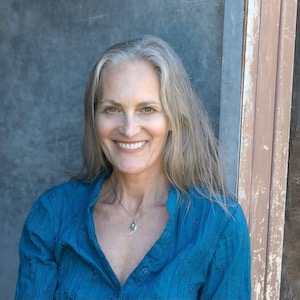
Kelly Balamuth

This quick guide helps you learn how to make the smart and loving choice for your family
I would love to send you a copy of Wear Clean Underwear: A Fast, Fun, Friendly – and Essential – Guide to Legal Planning for Busy Families for FREE as my gift to you for considering working with me.
Simply click here to request your free copy and it will immediately arrive in your inbox.
It's called "Wear Clean Underwear" because your mom always told you to wear clean underwear in case you were in an accident. But once you are a parent, there are important legal planning steps you need to take as well. By the way, the book gets 4.4 stars on Amazon.
Learn From Kelly
Join Us @ Lafayette Library — Community Hall
Wine & Wills
Join Attorney Kelly Balamuth at our upcoming Wine & Wills seminar, a FREE event with wine and appetizers, live music, and estate planning education.

Join Us @ Lafayette Library — Community Hall
Wine & Wills
Join Attorney Kelly Balamuth at our upcoming Wine & Wills seminar, a FREE event with wine and appetizers, live music, and estate planning education.
Watch Our On-Demand Webinar
On-Demand Presentation
How to Keep Your Family Out of Court and Conflict

On-Demand Presentation
How to Keep Your Family Out of Court and Conflict
Recent Blog Posts

Why Estate Planning Is the Best Use of Your Tax Refund

Navigating the World of Cryptocurrency: A Guide for Parents and Teens
Happy Clients
Sun H.
I've worked with four estate lawyers (for myself and my parents) in the last eight years, and Kelly Balamuth is the best by FAR. She was thorough, patient, diligent, and caring. She asked detailed questions about our personal situation and adapted our estate plan specifically for our needs. But what impressed me most about her was her original thinking. The estate plan she created for my wife and I had several very unique, thoughtful, and personal touches--elements which we believe will help our heirs have a better understanding of the life we lead and our love for each other and the people we care about. What Kelly helped us create was not just a will or trust, but a legacy. None of the other attorneys I worked with came close. I would recommend Kelly with no reservations whatsoever.
Erin Bydalek
My husband and I are happy we found Kelly to update our estate plan. We…were glad to find someone in Lamorinda with Kelly's experience. From our first meeting Kelly was clear about the process, costs and timing. We appreciated the complete review she walked us through, and let us know what the options were. Kelly made herself available whenever we had questions. Thanks Kelly for the great experience and complete work!
Alicia Murphy
From day I met Kelly at a free workshop, she made me feel seen, heard and confirmed. Once I had my one on one with her I felt extremely comfortable. To tell you the truth, I was looking for a Black owned law firm, but after meeting with Kelly and feeling her warmth, care and even concern for my as a single mom who has raised her daughters and working with me. I couldn't help but say, YES. … I won't give you too many spoilers, but this lady is awesome and she has some wonderful chickens that lay pretty darn good eggs. Her team is wonderful and extremely helpful and I felt confident throughout my entire process of getting things done and marked off the checklist and now I feel so confident in knowing my business is in order and that I forever have an estate attorney and friend in Kelly.
Have Kids at Home?
Then You Need to Name Legal Guardians. Do It Here for Free.
If you have children, you likely worry about what would happen to them if something happens to you.
At the very least, you want to name legal guardians to care for them for the long-term. And, it needs to be done legally. So, we've created a website to make it easy and you. You can name guardians for your kids for free.
Once you name guardians for your kids, you will rest easy at night knowing for sure...What would happen to your kids if something were to happen to you?




Office Hours
Monday 9:00AM-5:00PM
Tuesday 9:00AM-5:00PM
Wednesday 9:00AM-5:00PM
Thursday 9:00AM-5:00PM
Friday 9:00AM-5:00PM
Saturday by appointment
Sunday closed
Contact Us
Balamth Law
1001 Country Club Dr.
Suite F
Moraga, CA 94556
(925) 254-1234

Copyright © 2024 Balamuth Law All Rights Reserved | Privacy Policy | Cookie Policy
DISCLAIMER: No information you obtain from this website or its content is legal advice, nor is it intended to be. You should consult an attorney for individualized advice regarding your own situation. No attorney-client relationship is intended or formed by your viewing this website or downloading and using the content, forms, tips or information kits found on this website. No attorney-client relationship is intended or formed without a fully-executed, written agreement to enter into such a relationship. Client testimonials or endorsements do not constitute a guarantee, warranty, or prediction regarding the outcome of your legal matter.